Call or Text : (608) 957-5866
Jill Hauk  Home Inspections, LLC       
  • Home
  • ABOUT
  • SCHEDULE NOW
  • INSPECTIONS OFFERED
  • RADON TESTING
  • FAQ
  • LEARN MORE
  • Contact
  • Blog

Jill's Home Inspection Blog

SCHEDULE YOUR HOME INSPECTION ONLINE

Clothes Dryer Venting

9/11/2023

 
According to the National Fire Protection Association, between 2010 and 2014, fire departments responded to an average of 15,970 home structure fires involving clothes dryers and washers each year.   Fires involving clothes dryers accounted for 92% of the total.  Fires can be caused by a combination of factors including but not limited to mechanical or electrical failure, human error and poor ventilation.

On inspections, I often see examples of poor ventilation.  Poor ventilation can result from:

  • Excessive duct length:  The size and length of the duct is determined by the manufacturer’s installation instructions and must comply with local building codes.  The International Residential Code (2018 IRC M1502.4.5.1) states that the duct length should not extend more than 35 feet.  For each bend or transition, the maximum length is reduced. 
  • Tight turns and bends, dips and kinks in the ducts:  Ideally the duct runs horizontally with no sags or dips and is supported at least every 4 feet.
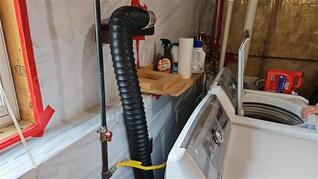
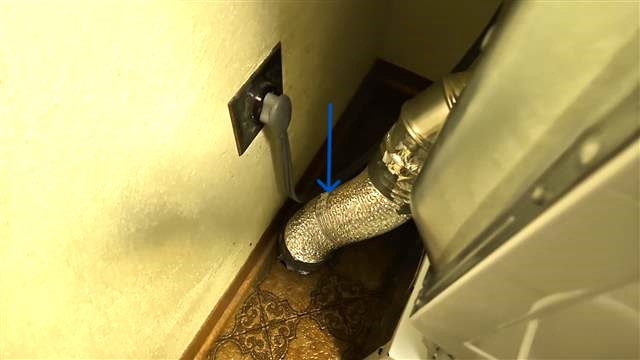
  • Using the wrong duct materials and fastening the pieces together incorrectly:  The best duct material is rigid metal (similar to the rigid ducts for your HVAC system).  A flexible metal duct (that is UL approved) is also acceptable.  Never use a flexible plastic (vinyl) or foil duct – they will trap lint.  When connecting the pieces of ducts, never use screws – the tips inside the duct will trap lint.  Use an aluminum HVAC tape that can stand up to heat.
​​
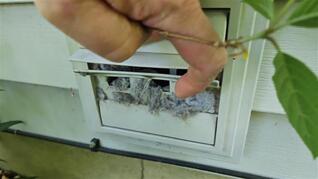
​So what happens when your dryer has poor ventilation?  There is a build up of lint, dust and fiber – and that is a fire hazard.  Of clothes dryer fires, according to the NFPA, 27% are the result of the build up of these materials.  And remember, not only is it important to use the recommended materials and methods to vent your dryer, but the ducts also need to be cleaned on a regular basis. ​
Picture
plastic (vinyl) duct
Picture
flexible metal duct
Picture
blocked dryer vent

Comments are closed.

    Jill Hauk

    I am a home inspector and a lover of old houses, dogs and mountains.  

    I hope this blog helps you learn about the many systems and components in your home.

    And of course, it will also have a few stories about the more "interesting" things I have seen during my home inspections.​

    Archives

    November 2023
    October 2023
    September 2023
    July 2023
    June 2023
    May 2023
    April 2023
    March 2023

Jill Hauk Home Inspections, LLC
1000 Giles Street, Stoughton, WI 53589

(608) 957-5866
[email protected]
Home Inspector in Madison, Stoughton, DeForest, Waunakee, Sun Prairie, Cross Plains, Middleton, Monona, Cottage Grove, Verona, Fitchburg, McFarland, Mount Horeb,  Brooklyn, Janesville, Evansville, Oregon, Edgerton, Fort Atkinson, Jefferson, Lake Mills, Cambridge, Windsor, Johnson Creek and everywhere in between
Professional Affiliations
Picture
Certified Professional Inspector International Association of Home Inspectors
Picture
Picture

Copyright 2023 Jill Hauk Home Inspections, LLC
  • Home
  • ABOUT
  • SCHEDULE NOW
  • INSPECTIONS OFFERED
  • RADON TESTING
  • FAQ
  • LEARN MORE
  • Contact
  • Blog